
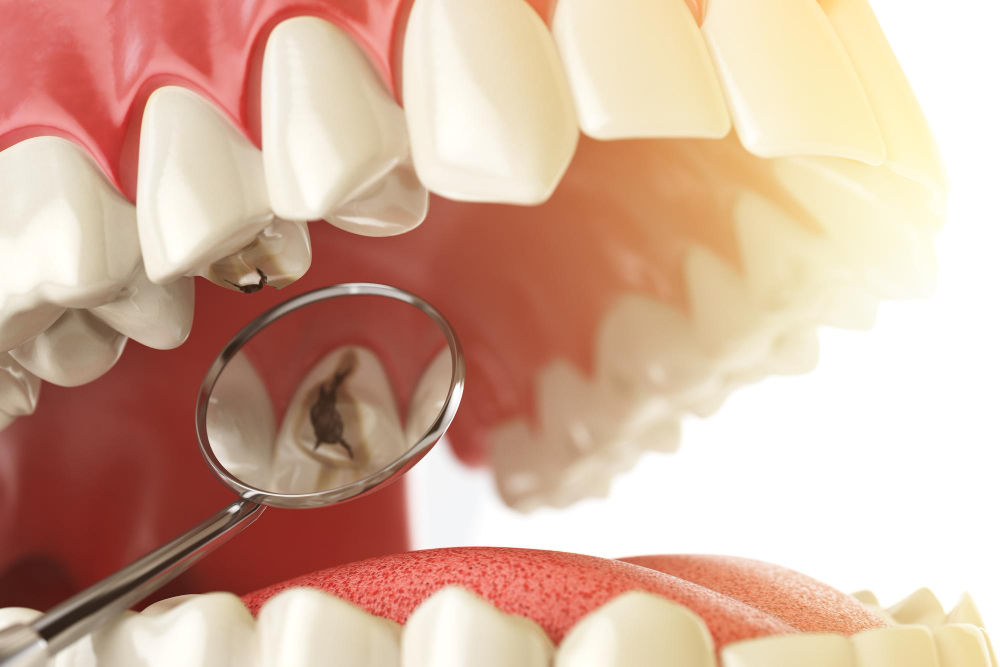
What are Dental Caries?
Dental caries, also known as tooth decay or cavities, are damaged areas in the hard surface of your teeth. These spots can turn into tiny holes or larger gaps. Often, dental caries develop slowly. However, if left untreated, they can cause pain and infection. According to the World Health Organization (WHO), dental caries are one of the most common health problems worldwide.
Causes of Dental Caries
Many factors can lead to dental caries. First, bacteria in your mouth feed on sugars from food and drinks. Then, these bacteria produce acids. Over time, these acids break down the tooth’s surface. As a result, cavities form. Some common causes include:
Additionally, children and older adults may be at higher risk.
Common Symptoms
At first, dental caries may not cause any symptoms. However, as the decay grows, you may notice:
Because symptoms can vary, it is important to visit your dentist regularly.
Diagnosis Methods
Early diagnosis helps prevent serious problems. Dentists use several methods to find dental caries. For example, they may:
Sometimes, special tools help check for weak spots. Therefore, regular dental check-ups are key to early detection.
Treatment Options
Treatment depends on how much the tooth is damaged. Early-stage dental caries may be reversed with fluoride treatments. However, if a cavity has formed, your dentist may suggest:
In addition, your dentist will guide you on how to treat dental caries and prevent future problems.
Prevention Tips
Preventing dental caries is easier than treating them. Here are some simple steps:
Because prevention is key, these habits can help keep your teeth healthy.
Lifestyle and Oral Hygiene Guidance
Good oral hygiene and healthy habits play a big role in tooth decay prevention. For example, you can:
Moreover, teaching children proper brushing and flossing can set them up for lifelong dental health.
In summary, dental caries are common but preventable. Early care and good habits make a big difference. Consult a dental professional for personalized advice on dental caries prevention and treatment.