
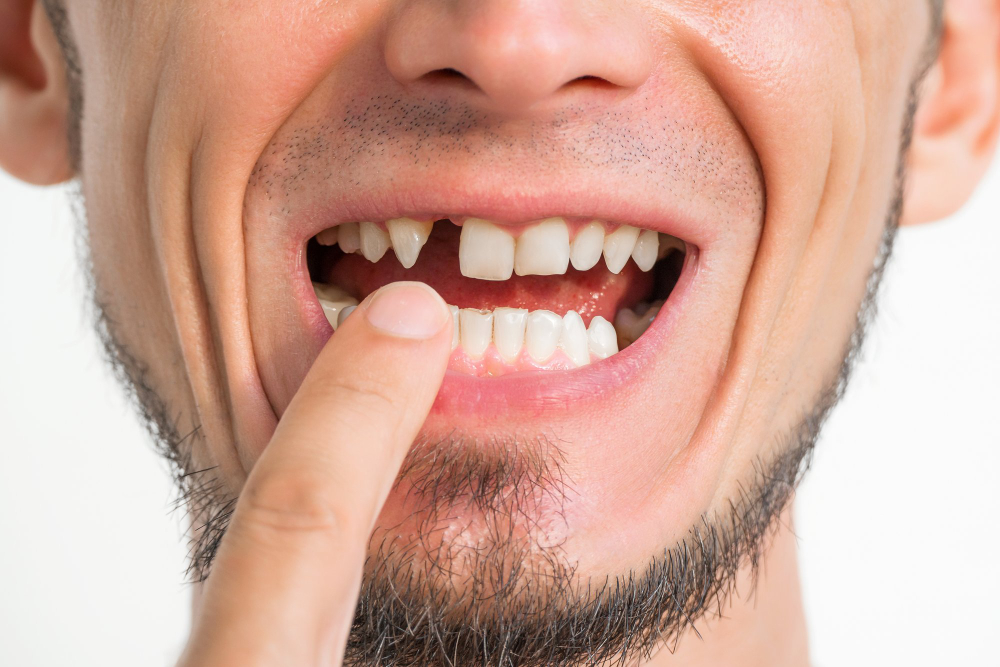
What Happens When You Lose a Tooth?
Many people lose teeth at some point in life. Missing teeth can change how your mouth works. For example, when a tooth is gone, the nearby teeth may shift. This can make chewing harder. Over time, your jawbone in that area may shrink. Because of this, your face shape can change. Even one missing tooth can affect your bite. As a result, you may notice changes in your speech or smile.
Common Causes of Missing Teeth
There are several reasons why people lose teeth. Some causes are more common than others. For instance, tooth decay is a leading cause. Gum disease, also called periodontitis, can also lead to tooth loss. Sometimes, an injury or accident knocks out a tooth. In other cases, teeth may not grow in at all. Rarely, some health conditions or treatments can cause tooth loss. Understanding these causes helps you protect your smile.
Health Risks Linked to Missing Teeth
Missing teeth are more than a cosmetic issue. In fact, they can lead to health problems. For example, chewing becomes harder, so you may avoid healthy foods. This can affect your nutrition. Because gaps allow other teeth to move, your bite may change. This can cause jaw pain or headaches. According to the CDC, missing teeth can also raise your risk for gum disease. Sometimes, speech becomes less clear. Over time, bone loss in your jaw can occur. This makes future tooth replacement harder.
How Missing Teeth Affect Daily Life
Everyday life can feel different with missing teeth. For instance, you might feel self-conscious about your smile. Some people avoid social events or photos. Eating certain foods, like apples or steak, may become tough. In addition, you may notice changes in how you speak. Because missing teeth can affect your bite, jaw pain may develop. Even simple tasks, such as chewing or talking, can feel more difficult. These changes can impact your confidence and comfort.
Options for Replacing Missing Teeth
Thankfully, there are several tooth replacement options. Each has its own benefits. Dental implants are a popular choice. They look and feel like real teeth. Bridges can fill a gap using nearby teeth for support. Dentures are removable and can replace several teeth at once. Your dentist can help you choose the best option. In some cases, dental implants offer the most natural feel. However, bridges and dentures may be better for some people. Choosing to replace missing teeth helps protect your oral health and smile.
Preventing Tooth Loss
Good habits can help prevent missing teeth. For example, brush your teeth twice a day with fluoride toothpaste. Floss daily to remove plaque between teeth. Regular dental checkups help catch problems early. In addition, eat a balanced diet with less sugar. If you play sports, wear a mouthguard to protect your teeth. Avoid smoking, as it raises your risk for gum disease. By following these steps, you can lower your risk of tooth loss.